Quick buying shortcut
Start with these picks from this guide, then compare the current Amazon price, stock, delivery window, and return terms before deciding.
As an Amazon Associate, WorkspaceWisePro may earn from qualifying purchases. Prices and availability can change.
We compare home-office products by practical fit, comfort, adjustability, durability signals, buyer feedback patterns, and value for real remote-work setups. Affiliate links may earn us a commission, but they do not decide which products appear here.
How we review products · Editorial standards · Affiliate disclosure
Compare the best ergonomic office chairs for home offices, including lumbar support, seat comfort, adjustability, and practical buying advice for long remote-work days. Use this guide to choose a chair that fits your body and budget.
Disclosure: As an Amazon Associate I earn from qualifying purchases. This page contains affiliate links, at no extra cost to you.
Use the quick picks below as the single shortlist for this guide, then read the detailed chair reviews to confirm fit, comfort, and budget.
Quick picks at a glance
Choose by fit, not just by rating
Use these product cards as the single shortlist for this guide. Each chair has a different fit, comfort profile, and budget role.
Seat height, seat depth, and lumbar placement matter as much as the model name.
Fit guide for shorter users · Fit guide for tall users · How to choose an ergonomic chair
How we chose these chairs
We evaluated each chair against the criteria that matter most in a real home office: lumbar support, seat comfort, armrest and height adjustment, recline control, materials, assembly difficulty, warranty visibility, customer feedback patterns, and price-to-feature value. Unless a product section explicitly says otherwise, this guide is based on structured product research and comparison rather than a laboratory test. The SIHOO M57 is labeled Best overall for consistency with our under-$500 shortlist; other chairs are ranked by distinct fit roles, not as competing overall winners.
1. SIHOO M57 Ergonomic — Best overall
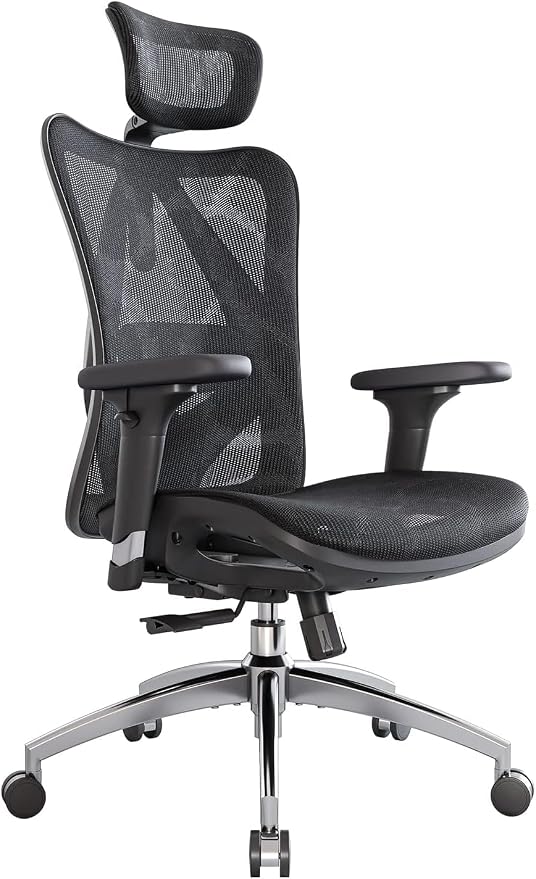
you want an affordable ergonomic chair with breathable mesh and enough adjustment for most home-office setups.
you need premium build quality, highly precise lumbar tuning, or a chair for unusually tall or short proportions.
The SIHOO M57 is the strongest first recommendation for many remote workers because it focuses on the basics that affect daily comfort: mesh breathability, lumbar adjustment, a supportive back, and a price point that is more realistic than premium corporate chairs. It is a practical option for people upgrading from a dining chair, gaming chair, or basic task chair.
- Best for: remote workers who sit several hours per day and want ergonomic adjustability without entering the premium price range.
- What to check before buying: seat dimensions, return policy, and whether the lumbar shape matches your posture preference.
- Main trade-off: it is a value chair, not a luxury chair, so buyers should expect practical materials rather than premium finishing.
2. Oline ErgoPro — best comfort-focused upgrade
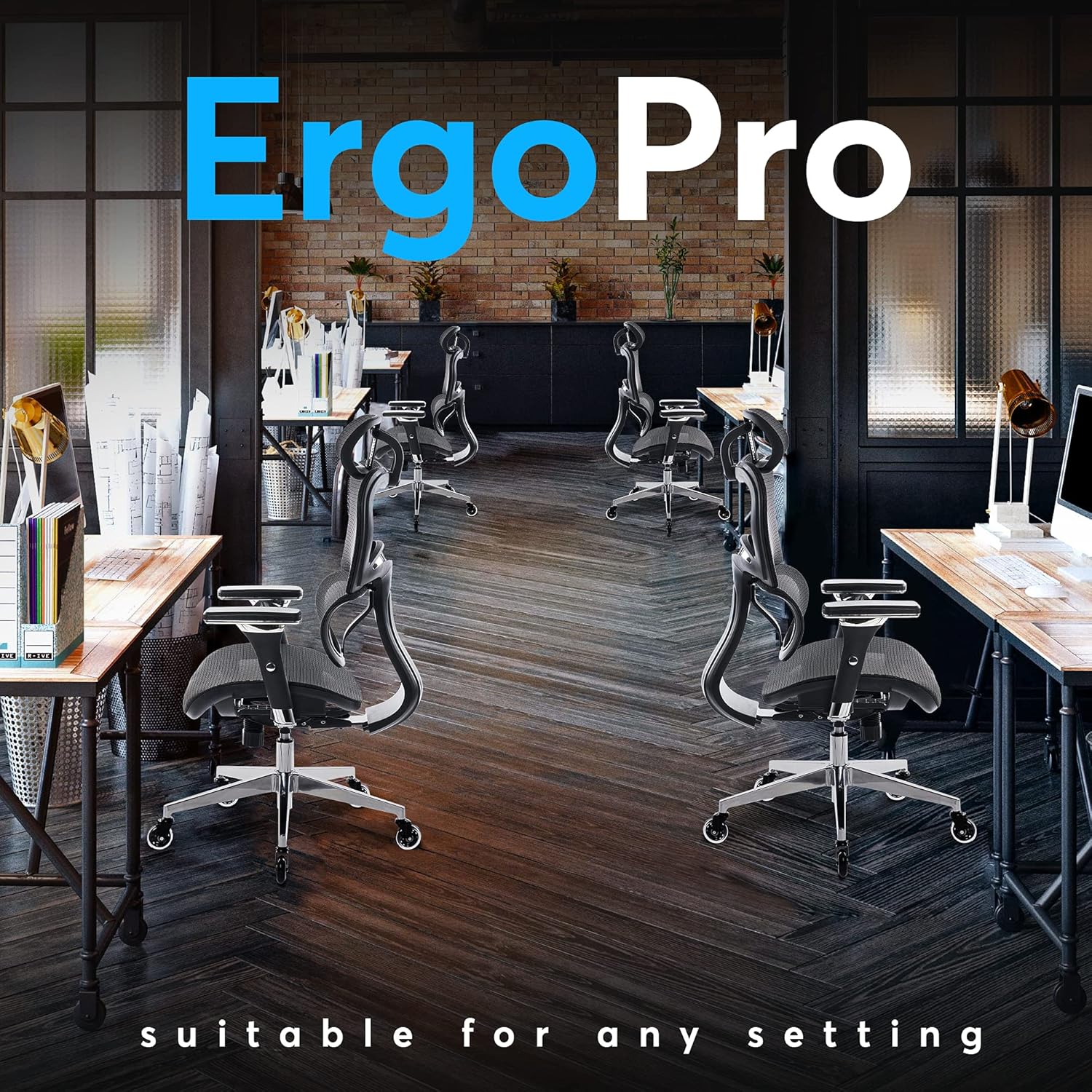
you want a more comfort-focused chair with a softer upgrade feel than entry-level mesh options.
you prefer a proven office-furniture brand or want the lowest possible price.
The Oline ErgoPro is a better fit for buyers who want a more substantial chair and are willing to pay more for comfort features. It can work well for a dedicated home office where the chair is used daily, but it should be compared against your body size and desk height before purchase.
3. Ticova Ergonomic — best budget ergonomic pick
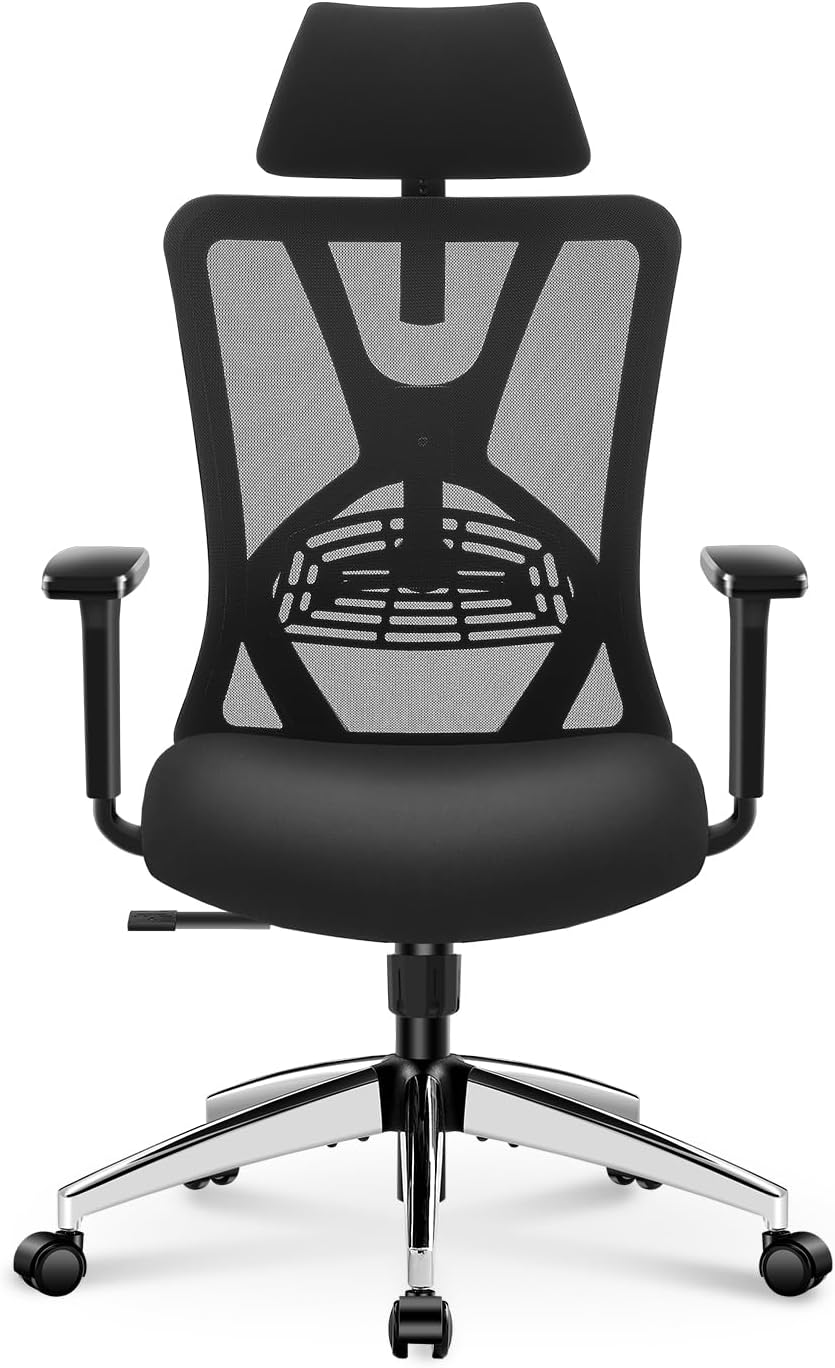
you want a budget-friendly ergonomic upgrade with useful adjustment points.
you sit very long hours and need a more refined seat, warranty, or premium materials.
The Ticova Ergonomic chair is a strong candidate for people who want adjustable support at a lower price. It should be positioned honestly: it is not a premium chair, but it may be a meaningful upgrade from a non-ergonomic seat if the dimensions fit the buyer.
4. Duramont Office Chair — best traditional padded option
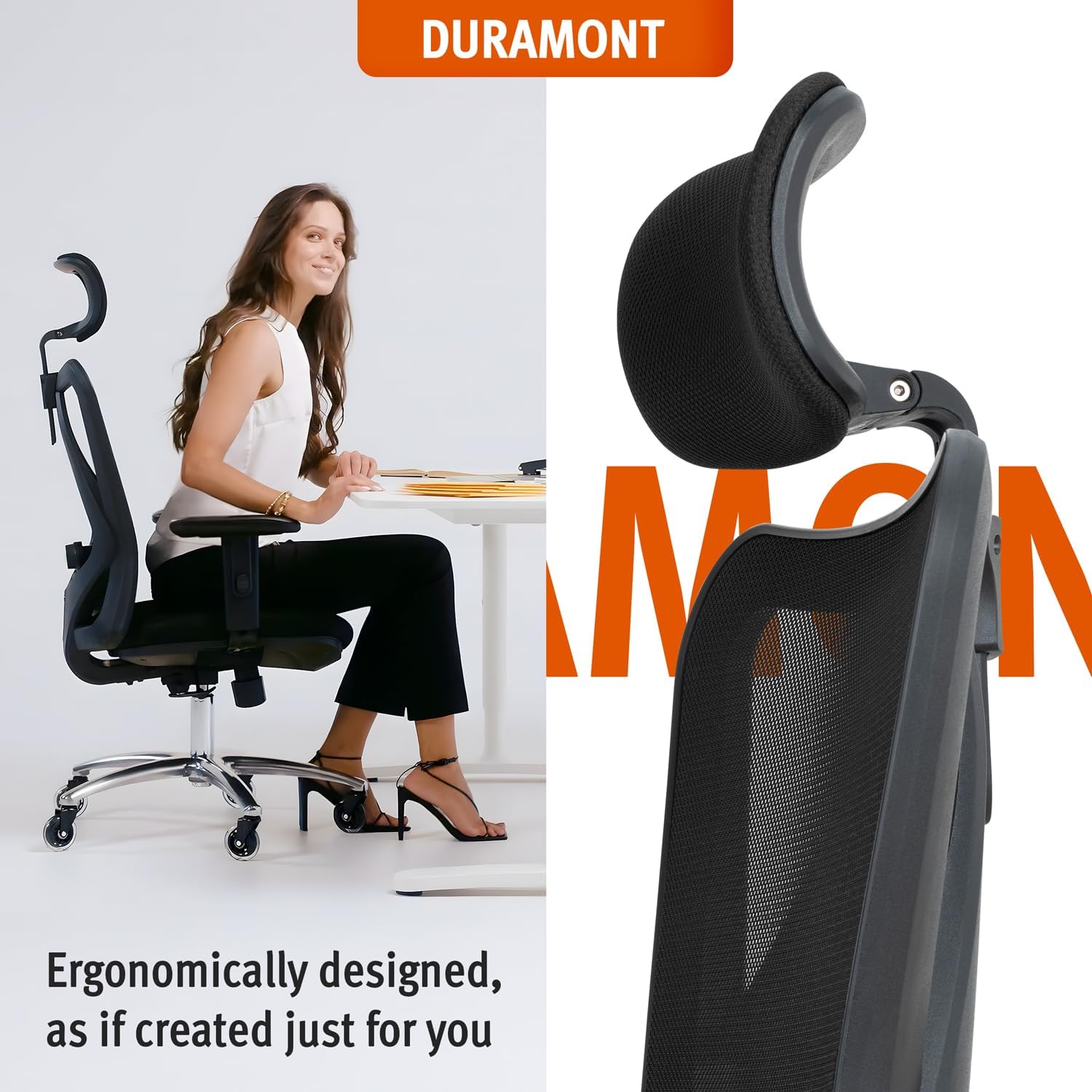
you prefer a more traditional padded office chair feel over an all-mesh design.
you want maximum breathability or a lighter modern mesh chair.
The Duramont Office Chair is for readers who do not want a full mesh look and prefer a more familiar padded office chair. It may suit shorter work sessions or users who like cushion support, but it is less breathable than mesh options during long workdays.
5. Gabrylly Mesh Chair — best spacious mesh chair
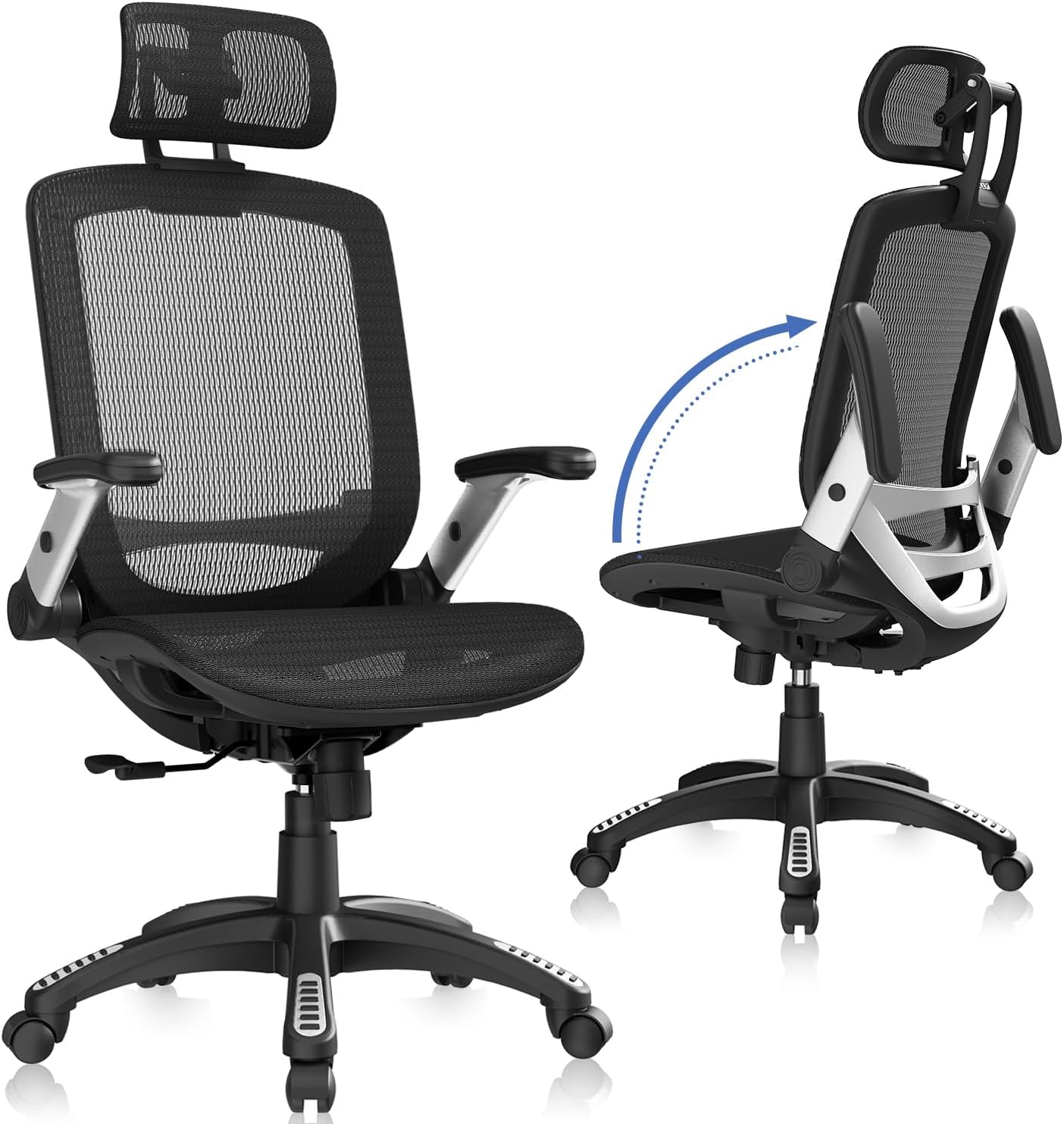
you want a breathable chair with a roomier seating feel and simple home-office appeal.
you need compact dimensions or highly adjustable lumbar support.
The Gabrylly Mesh Chair is a spacious, breathable option with a headrest and a wider seating feel than many compact mesh chairs. It fits best if you want room to move and simple adjustments; skip it if you need compact dimensions or highly tunable lumbar support. Before buying, confirm seat width/depth and desk clearance against your body size and return window.
Buying guide: what actually matters in an ergonomic chair
A chair is not ergonomic simply because the product title says it is. The most important buying factors are seat height range, seat depth, lumbar support, backrest shape, armrest adjustability, recline control, and whether the chair allows your feet to rest flat while your forearms sit comfortably at desk height.
Seat height and desk fit
If the chair cannot align with your desk, even a well-reviewed model can cause awkward shoulder or wrist posture. Readers using a fixed-height desk should measure before buying. Readers using a standing desk should also read our guide to choosing the right standing desk height.
Lumbar support
Adjustable lumbar support is useful because people differ in spine shape, torso length, and sitting habits. A chair that feels supportive to one person can feel intrusive to another, so return policy and adjustability matter.
Mesh versus cushion
Mesh chairs usually breathe better and can feel cooler during long sessions. Cushioned chairs can feel softer at first, but padding quality matters over time. The right choice depends on climate, sitting duration, and personal comfort preference.
Related guides
- How to Set Up an Ergonomic Home Office From Scratch
- Signs Your Chair Is Hurting Your Back
- 5 Best Electric Standing Desks
- 5 Best Monitor Arms for Standing Desks
Buying FAQ
What makes an office chair ergonomic?
An ergonomic chair should help you sit with supported posture by offering adjustable seat height, lumbar support, armrests, and a seat shape that lets your feet rest comfortably on the floor.
How much should I spend on a home-office chair?
Most remote workers should avoid the cheapest generic chairs if they sit for long sessions. A mid-range ergonomic chair is often the best value when it offers real adjustment options and dependable build quality.
Is mesh or padded seating better?
Mesh usually improves airflow and keeps the chair lighter, while padded seats can feel softer initially. The better choice depends on your climate, sitting duration, and preference for firmness.
Chair fit filter before you compare models
Your feet should rest flat and the seat should not press hard behind your knees.
Armrests should support relaxed shoulders, not force them upward or leave elbows hanging.
Look for support that matches your lower back curve, not just a thick cushion.
Need a narrower choice? See our guides to chairs for back pain, chairs under $500, and chairs for long workdays.

If neck or shoulder tension is part of your setup problem, use the home office neck and shoulder setup guide alongside the monitor and chair recommendations.